
The Party and the State’s proactive initiative to create forums for overseas Vietnamese to contribute their opinions to major national documents and policies represents a substantive and humane shift in strategic thinking, affirming the Vietnamese community abroad as an integral part of the nation.
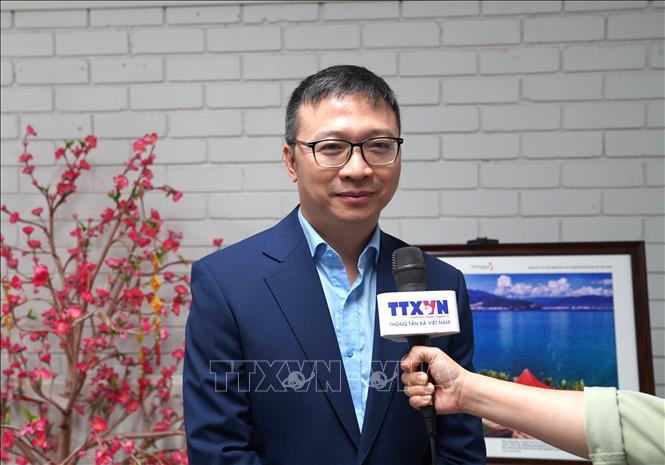
This was emphasized by Mr. Do Gia Thang, Secretary General of the Vietnam Business Association in Australia (VBAA) and Chairman of the Vietnam–Australia Young Entrepreneurs Club, in an interview with a Vietnam News Agency (VNA) correspondent in Sydney.
According to Mr. Thang, in the past, the connection between the homeland and overseas Vietnamese was largely based on emotional ties or financial contributions. However, with the Party and State actively inviting overseas Vietnamese to contribute to major policy documents, the policy message has clearly evolved—demonstrating respect for the knowledge and experience of the Vietnamese diaspora and recognizing them as part of the solution for national development.
Mr. Thang shared:
“This approach makes overseas intellectuals and entrepreneurs like us feel that we are no longer ‘guests’ invited to visit, but truly ‘co-owners’ with responsibilities toward the country. We are trusted to work together in building and implementing major national plans. I believe that the sense of being heard and being able to contribute is a powerful force that connects the hearts of Vietnamese people worldwide.”
He added that the issues on which the Party and State have sought input from overseas Vietnamese in recent years have been both timely and aligned with the concerns of Vietnamese communities abroad.
Citing the amended Land Law as an example, Mr. Thang described it as a real “boost of confidence.” He noted that regardless of where they succeed, Vietnamese people always retain a deep connection to their homeland. Allowing people of Vietnamese origin to own property on equal terms with domestic citizens carries significance far beyond material value—it represents recognition and acceptance by the nation. This, he said, affirms equal treatment and enables overseas Vietnamese to develop and contribute on the land to which they truly belong, addressing not just housing needs but deeper emotional and cultural aspirations.
Regarding the private sector, Mr. Thang stated that the Vietnamese business community in Australia has accumulated significant experience in management and advanced technology. Their participation in policy discussions creates opportunities to transfer modern models back to Vietnam, while also reflecting that Vietnam’s business environment is becoming more open and aligned with international standards.
As a Vietnamese-origin lawyer practicing in Australia, Mr. Thang sees his role as bridging legal frameworks between Vietnam and Australia. He expressed his desire to use his expertise to help international partners better understand and trust Vietnam’s environment, while also contributing to making the domestic legal system more transparent and efficient.
Based on his practical experience, Mr. Thang proposed two key recommendations.
First, in the digital era, geographical distance should no longer be a barrier for overseas Vietnamese. Therefore, accelerating the digitalization of administrative procedures is essential. He suggested that administrative and investment procedures related to overseas Vietnamese should be fully implemented online, moving toward a fast, transparent “cross-border digital administration” system to enhance convenience and attract investment.
Second, he emphasized the need for a long-term strategy targeting the younger generation of Vietnamese origin born and raised in Australia. He noted that this group represents a significant intellectual resource that has not yet been fully utilized. The State should introduce specific programs—such as policy internships or national startup incubators—designed to attract this young talent. He cited Australia’s Global Talent AIESEC program as an example, which connects students and recent graduates with international enterprises, particularly in engineering and business. Providing opportunities for young overseas Vietnamese to experience Vietnam’s development firsthand would naturally strengthen their connection to the homeland and inspire voluntary contributions.
Assessing the response of the Vietnamese community in Australia to the Party and State’s policies and national development orientation, Mr. Thang observed a strong shift in both status and mindset. Overseas Vietnamese are gradually moving beyond the stage of focusing solely on livelihood, increasingly establishing themselves in host societies while turning toward their homeland with a spirit of cooperative development.
He noted that discussions about Vietnam at business forums are vibrant and demonstrate a strong sense of responsibility—from agricultural export projects to educational cooperation—all built on confidence in the country’s new opportunities. When policies pave the way and trust is strengthened, the intellect of overseas Vietnamese will become a key resource for Vietnam’s breakthroughs. At the same time, the country’s prosperity will serve as a source of pride and the most credible “passport” for every Vietnamese living abroad.
Thanh Tu (VNA)

